Internet on the go: hotspots, travel routers and portable Wi-Fi
Your phone is usually enough. Here is when a hotspot, travel router or satellite dish is worth it, and what each one costs.

For a few hours of laptop work, use your phone’s hotspot. If you work on the road every week or travel with family, a dedicated mobile hotspot or a travel router is steadier. Abroad, an eSIM or an international hotspot is cheaper than roaming. In an RV, T-Mobile AWAY ($110 or $160/mo) works where there’s cell signal; Starlink works where there isn’t. For no-contract options, see prepaid WiFi.
Your options compared
Start with your phone’s hotspot
Most unlimited phone plans include hotspot data, but usually less than the plan’s headline amount; after the cap, hotspot speeds drop sharply. Check your plan’s hotspot allowance before a trip. Plug your phone in while you share, since hotspotting drains the battery fast.
If your current plan has little or no hotspot data, prepaid carriers on the big networks can be cheaper than adding it. See prepaid vs. postpaid plans.
How much hotspot data your phone plan includes
When a mobile hotspot device is worth it
A dedicated hotspot makes sense if you work from the road several days a week or share a connection with family. It doesn’t tie up your phone, holds more devices at once and runs on its own data plan. For a backup at home too, see the best backup internet.
Travel routers for hotels and rentals
A travel router signs in to the hotel’s Wi-Fi page once and shares it as your own network, so your laptop, phone, streaming stick and kids’ tablets all connect without each one signing in. It also keeps your devices off the shared hotel network. Our best routers under $50 guide includes a travel pick.
Gear worth packing
Mobile hotspots
5G hotspots such as the Netgear Nighthawk M6 and Inseego MiFi X PRO take a SIM from any major carrier and connect a whole family. Pair one with a data-only plan or a hotspot line.
Travel routers
The GL.iNet Beryl AX and the newer GL.iNet Slate 7 handle hotel sign-in pages, run a VPN for every device and fit in a pocket. The TP-Link TL-WR902AC is the budget pick for sharing one hotel connection.
Travel eSIMs
Airalo, Holafly, Saily and Nomad sell eSIM data for most countries. Per-GB packs are cheapest for light use; unlimited daily plans suit heavy users. Check that your phone is unlocked first.
Saily eSIM plans for popular trips: Mexico, Italy, Spain, Portugal, Greece, Germany, Thailand, Costa Rica. Some of these are affiliate links.
Internet abroad
A travel eSIM is usually the cheapest option for your phone: buy a data pack for the country before you leave and switch to it when you land. Your phone needs to be unlocked and support eSIM; see eSIM explained. For laptops or a group, an international hotspot such as GlocalMe shares one data plan across several devices.
On a train
Amtrak offers free AmtrakConnect Wi-Fi on Acela, the Northeast Regional and most state-supported corridor trains, with no sign-in. The newer NextGen Acela trains have faster, 5G-enabled Wi-Fi. It’s shared by everyone on board, and streaming and large downloads are limited, so keep your phone’s hotspot as a backup. Expect drops in tunnels and rural stretches either way.
On a bus
Greyhound and FlixBus, the same company since 2021, advertise free Wi-Fi on equipped coaches. It runs over cell networks, so it slows on rural highways and many riders find it capped or not working. Download what you need before you board and keep your phone’s hotspot as a backup.
On a plane
Phone data and hotspots don’t work in flight, so you’ll use the plane’s Wi-Fi. On most big US airlines it’s free with the airline’s loyalty program. See Wi-Fi on a plane for each airline.
On a cruise
Most big cruise lines now use Starlink, so speeds are good, but you pay per device, per day. Bought before the cruise, Carnival charges about $20.40 for social apps only, $23.80 to browse and $25.50 for streaming. Royal Caribbean’s VOOM is about $20 a day bought ahead and up to about $39 on board. Norwegian runs about $30 to browse and $40 to stream.
- Buy the package before you sail; onboard prices are higher.
- Put your phone in airplane mode at sailaway. The ship’s own cell network bills by the minute and the megabyte through your carrier.
- Use a travel eSIM or your carrier’s day pass in port.
In the car
Many newer cars include a Wi-Fi hotspot that runs on an automaker data plan, and carriers sell add-on lines for them. For most trips your phone’s hotspot does the same job for free. Tesla owners can compare Tesla Premium Connectivity.
In an RV or off the grid
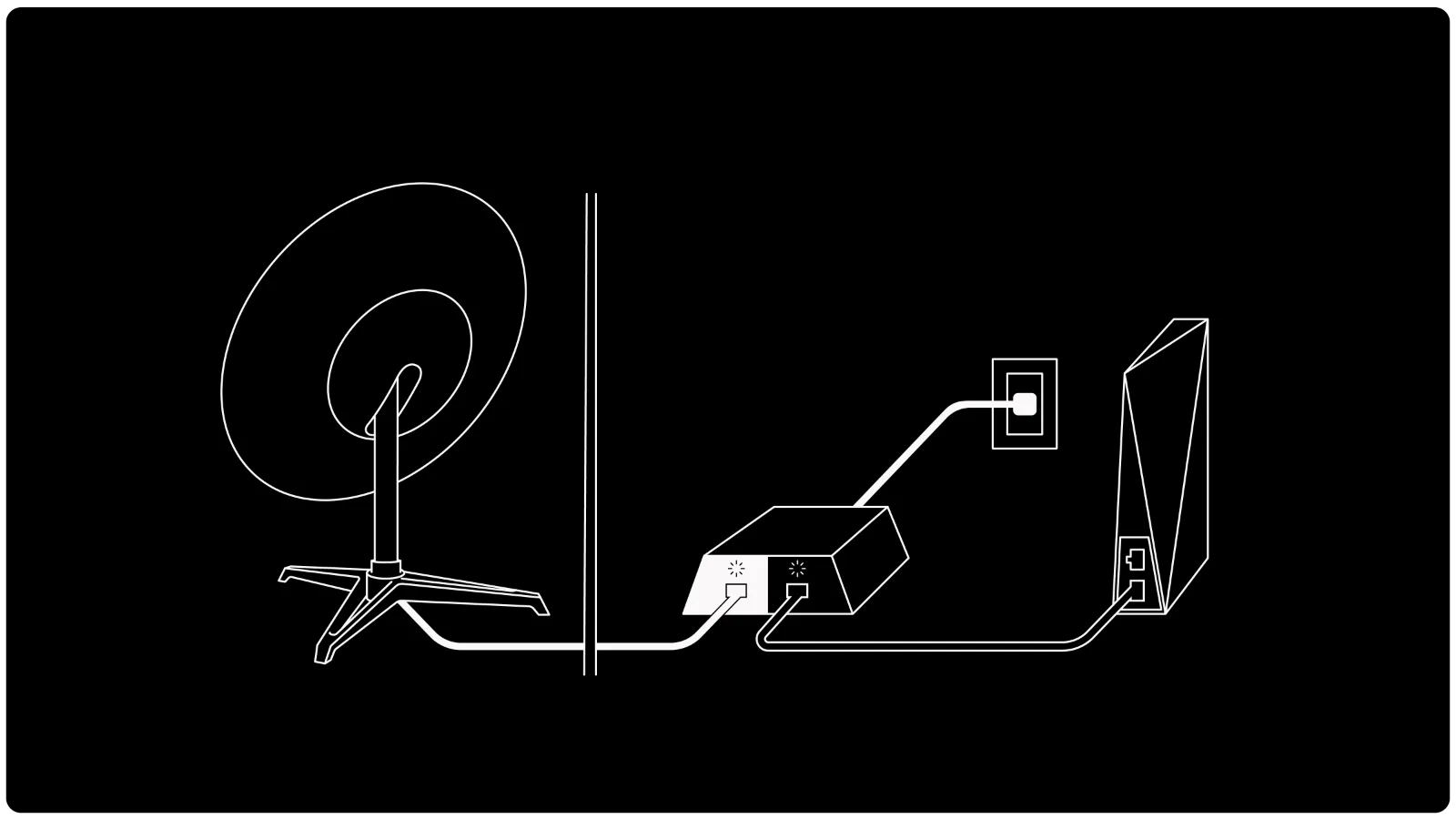
T-Mobile AWAY costs $110/mo for 200 GB or $160/mo unlimited, with the gateway included and a $10/mo pause option for the off-season. It needs T-Mobile signal. Starlink Roam costs $175/mo plus a $199–$349 dish and works anywhere with a view of the sky, including national forests and BLM land; Starlink Mini is the compact version. Our best RV internet guide compares every option.
Free Wi-Fi along the way
- Public libraries, most coffee chains and many fast-food restaurants have free Wi-Fi.
- Home internet customers often get free hotspot access: Xfinity Internet includes Xfinity WiFi hotspots, and Spectrum Internet includes Spectrum WiFi hotspots.
- Major airports and large Amtrak stations, including New York Penn, Boston South Station and Washington Union Station, offer free Wi-Fi.
Staying safe on public Wi-Fi
Hotel, train, airport and plane Wi-Fi are shared networks. Stick to sites with HTTPS, turn off file sharing, and use a VPN for work or banking.
Questions
What is the cheapest way to get internet on the go?
Your phone’s hotspot, if your plan includes hotspot data. It costs nothing extra, but most plans cap hotspot data or slow it after a set amount.
Is a mobile hotspot better than using my phone?
For long sessions, yes. A dedicated hotspot keeps your phone’s battery free, connects more devices and often gets better signal. It needs its own data plan.
What does a travel router do?
It signs in to hotel, Airbnb or cruise Wi-Fi once and shares that connection as your own private network, so every device connects automatically. It can also share a phone hotspot or USB modem.
How do I get internet on a train?
Amtrak offers free AmtrakConnect Wi-Fi on Acela and most Northeast trains. It’s shared and blocks heavy streaming, so use your phone’s hotspot as backup, knowing signal drops in tunnels and rural stretches.
How do I get internet abroad without roaming fees?
Buy a travel eSIM for your destination if your phone is unlocked and supports eSIM, or rent or buy an international hotspot. Both are usually much cheaper than a carrier’s daily roaming pass.
What is the best internet for RV travel?
T-Mobile AWAY if you mostly stay near towns and highways, and Starlink if you camp off the grid. See our full RV internet comparison.
How much does cruise ship Wi-Fi cost?
About $20 to $40 per device, per day on the big lines, less if you buy before you sail. Carnival starts at $20.40 a day for social apps; Royal Caribbean is about $20 a day bought ahead.
Which phone plan has the most hotspot data?
Among the big carriers, T-Mobile Experience Beyond includes 250 GB and Verizon Unlimited Ultimate 200 GB. US Mobile Unlimited Premium and Visible+ Pro offer unlimited hotspot, Visible’s at up to 15 Mbps.
Does Greyhound have Wi-Fi?
Greyhound and FlixBus advertise free Wi-Fi on equipped buses. It depends on cell coverage along the route and often slows or drops, so don’t rely on it for work.
- T-Mobile AWAY plan page and comparison, checked Oct 15, 2026
- Starlink Roam pricing, checked Oct 2026
- Amtrak, NextGen Acela and AmtrakConnect pages, checked Oct 2026
- Airline Wi-Fi pages, checked Oct 17, 2026
- T-Mobile, Verizon, AT&T, Google Fi, US Mobile and Visible plan pages and comparison sites, Oct 2026
- Carnival, Royal Caribbean and Norwegian Wi-Fi package pages and price trackers, Oct 2026
- Greyhound and FlixBus onboard amenities pages
Plan prices and data limits change often; confirm with the provider before you buy. How we research
Jean founded ShopHighSpeed after trying to find one straight answer about business internet in his own town. He has been a Comcast and Verizon Fios customer, and ranks providers on what they actually deliver, not on what they advertise.